🍲 Food Guide

Traditional Romanian Food: A Guide to Romania’s Essential Dishes

Your complete guide to authentic Romanian cuisine — from hearty soups and slow-cooked stews to grilled meats and irresistible desserts. Fifteen essential dishes: what each one is, how it tastes, and how it is served.

Romanian cooking is less known abroad than that of its neighbours, though it shares many of the same ingredients. Influenced by Ottoman, Slavic, Hungarian, and German cooking traditions, it's a hearty, flavorful cuisine built around slow-cooked meats, fermented vegetables, fresh dairy, and aromatic herbs.

Unlike the refined French approach or the olive oil-heavy Mediterranean diet, Romanian food is comfort food at its finest — the kind of cooking that fills your belly and warms your soul. It's food made by grandmothers, passed down through generations, and still cooked the same way in Romanian homes and traditional restaurants today. To see how much it changes from one region to another, explore our guide to Romanian food culture.

At Restaurant Ceaun in Bucharest, some of our slow-cooked dishes are prepared in traditional cast-iron cauldrons called "ceaun", over low heat. Below, we introduce the essential dishes of Romanian cuisine.

Romanian food is more than a list of famous dishes

Every region of Romania has its own ingredients, influences and ways of cooking. Explore our in-depth guide to Romanian cuisine, from Transylvania and Moldavia to Dobrogea, Banat and the southern regions.

Explore the Romanian Cuisine Guide →

Must-Try Romanian Dishes

New to Romanian cooking? See our complete guide to what to eat in Bucharest — 10 must-try dishes, what to order, and where to find the real thing.

Sarmale - Traditional Romanian Stuffed Cabbage Rolls
Festive Classic

Stuffed Cabbage Rolls

Sarmale

One of Romania’s most emblematic festive dishes. Sarmale are rolls of minced pork and rice wrapped in fermented (sour) cabbage leaves and slow-cooked for hours until tender. A second version uses vine leaves instead of cabbage and is common in Moldavia and the south. At Ceaun the main version is made with sour cabbage, served with mămăligă and a hot pepper.

Pro tip: Sarmale are even better the next day when the flavors have melded!
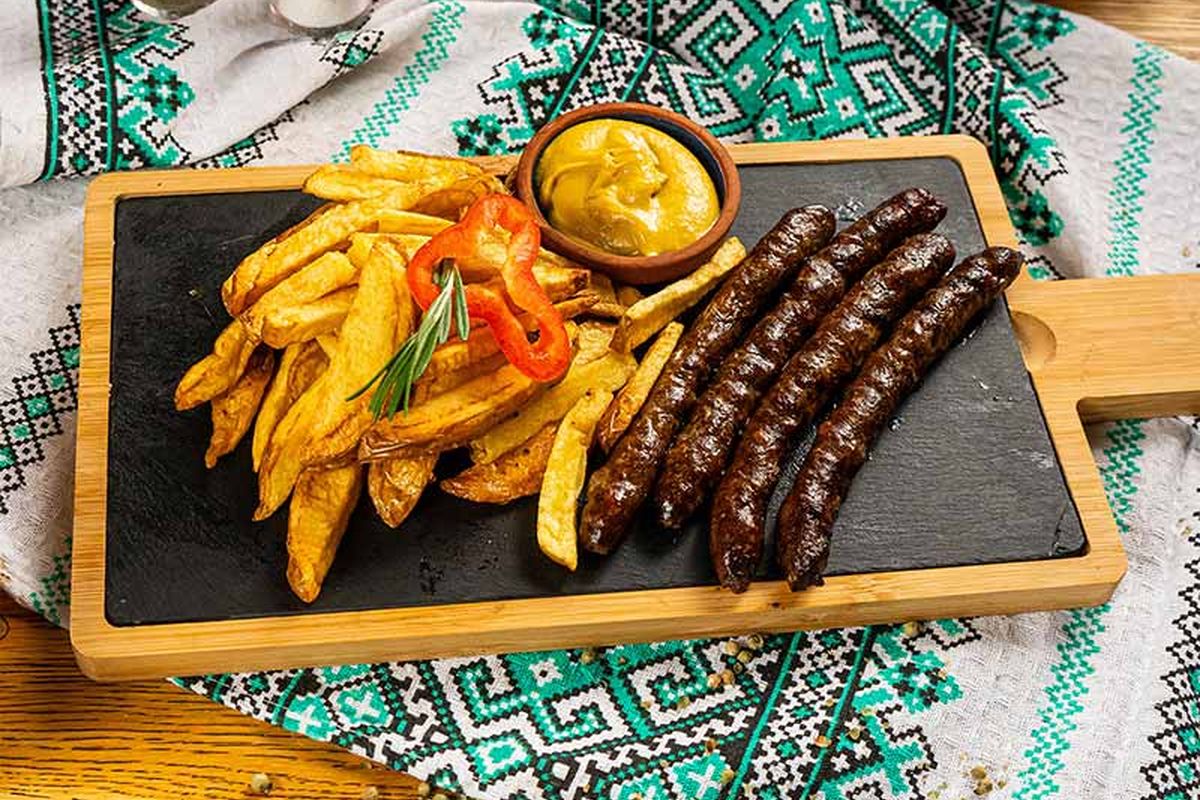
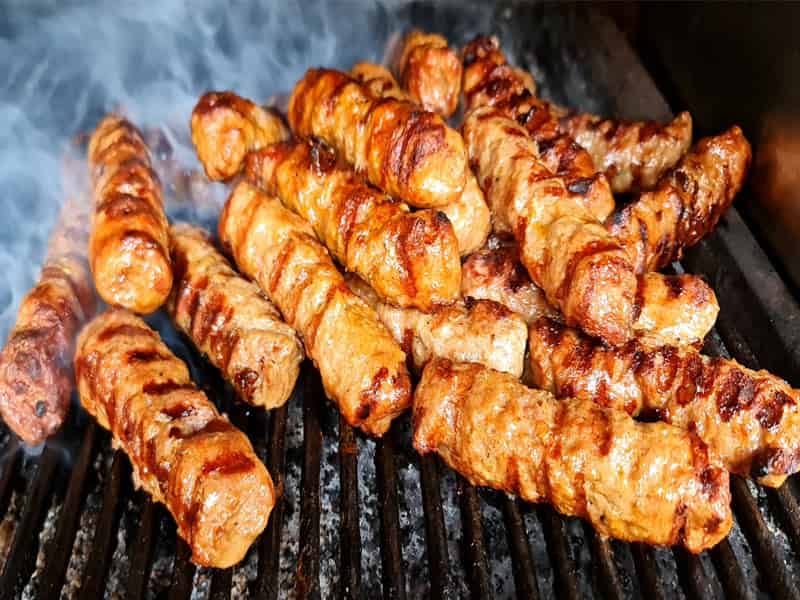
Mici Mititei - Romanian Grilled Meat Rolls
Street Food Icon

Grilled Meat Rolls

Mici (Mititei)

Romania’s most beloved street food and barbecue essential. These skinless grilled rolls are made from a seasoned blend of minced meat with garlic, pepper and thyme, and a little bicarbonate of soda, which gives them their characteristic springy texture. Usually served with mustard and fresh bread.

How to order: Ask for "o porție de mici" (a portion of mici) — usually 5 pieces with bread and mustard.

For the classic market experience, see what to eat, buy and explore at Obor Market in Bucharest.

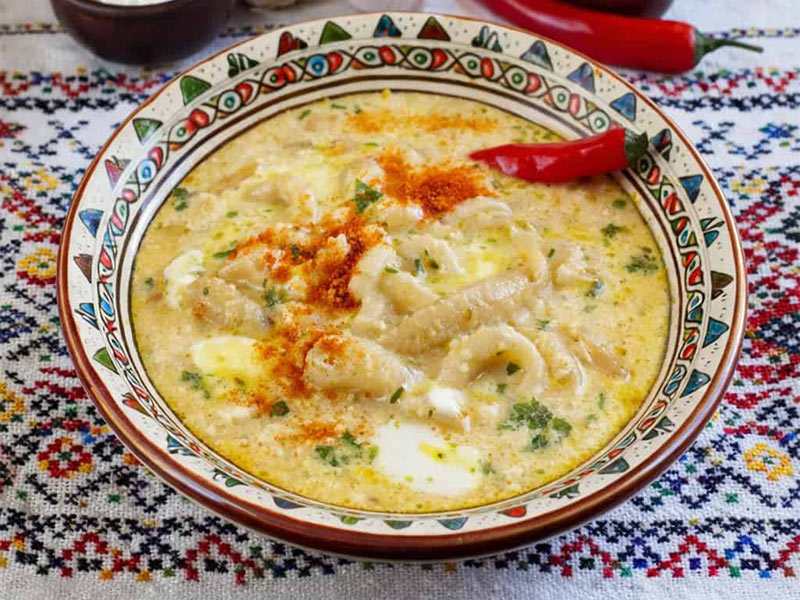
Ciorba de Burta - Romanian Tripe Soup
Legendary Soup

Tripe Soup

Ciorbă de Burtă

A creamy, tangy soup made with beef tripe (stomach lining), thickened with sour cream and egg yolks and sharpened with garlic and vinegar. It is eaten across the country and has long been associated, in Romanian custom, with the morning after a long night.

How it is served: Hot, with garlic sauce and hot peppers on the side, so you adjust it to taste.
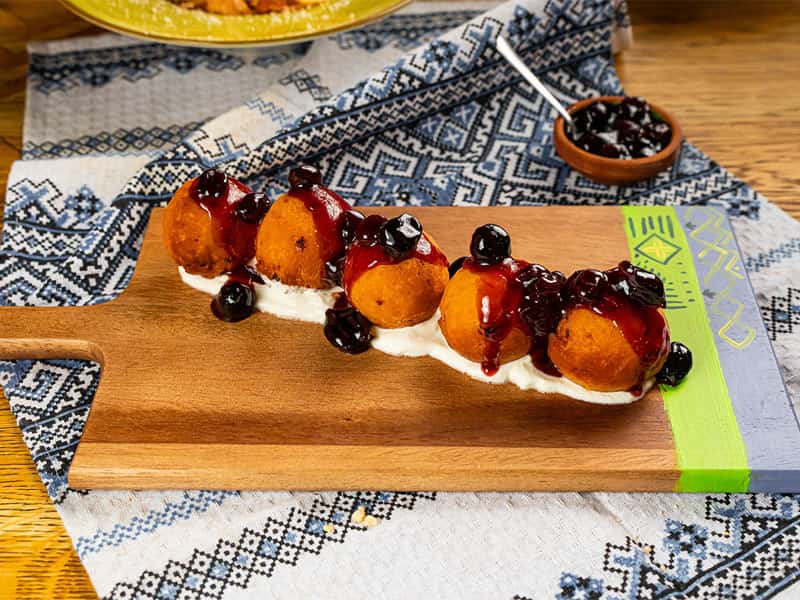
Papanasi - Romanian Fried Cheese Doughnuts
Must-Have Dessert

Fried Cheese Doughnuts

Papanași

The ultimate Romanian dessert. These fried doughnuts are made from sweet cheese (similar to ricotta), shaped into large rounds with a smaller ball on top, then fried golden and served with sour cream and fruit jam. Sweet, tangy, addictive.

Portion warning: They're huge! One order is usually enough for two people to share.
Tochitura Moldoveneasca - Romanian Pork Stew
Moldavian Specialty

Pork & Polenta Stew

Tochitură

A rustic pork stew from Moldova (eastern Romania) featuring chunks of tender pork cooked with sausages and bacon in a rich tomato-based sauce. Served on a bed of polenta with a fried egg on top and pickled peppers on the side.

Best pairing: Enjoy with a glass of Romanian red wine or a cold local beer.
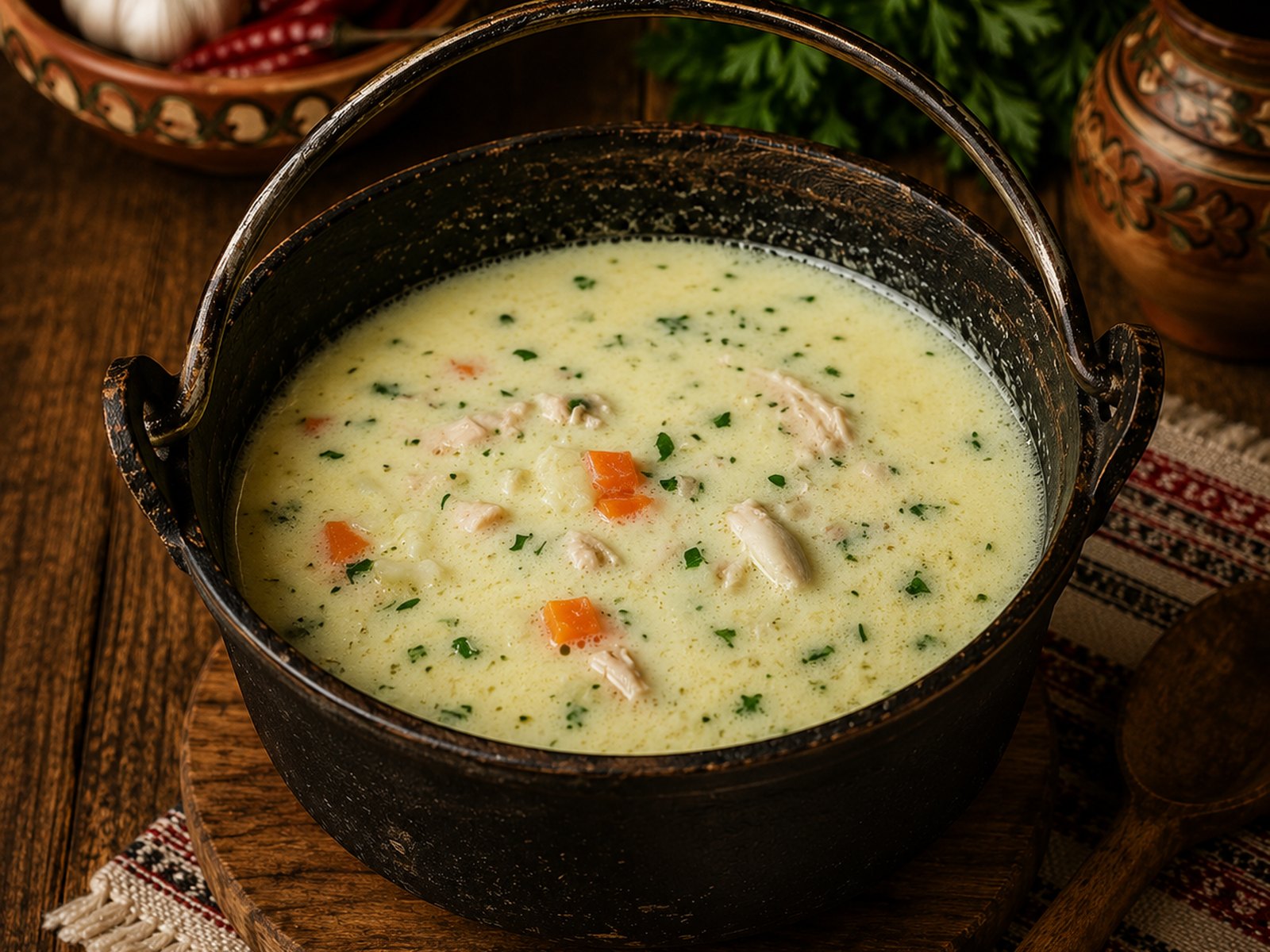
Ciorba radauteana - creamy Romanian chicken soup with sour cream
Comforting Soup

Creamy Chicken Soup

Ciorbă Rădăuțeană

A gentler starting point than tripe soup. This chicken soup from the Rădăuți area of Bucovina is made with chicken, egg, root vegetables and sour cream, soured with cream and vinegar rather than with borș. Mild, rich and creamy.

Perfect for: Anyone new to Romanian food — it's approachable and universally loved.
Everyday Staple

Cornmeal Polenta

Mămăligă

Boiled cornmeal, the everyday companion to Romanian stews, soups and grilled meats. Cooked slowly and stirred until it holds its shape, it is plain on its own and takes on the flavour of whatever it is served with. In mountain areas it is often layered with cheese and sour cream, or baked into bulz. Traditionally it is cut with a thread rather than a knife.

How it is served: Alongside sarmale, tochitură, fish or simply with cheese and sour cream.
Cold Starter

Roasted Vegetable Spread

Zacuscă

A thick spread of roasted peppers and aubergine cooked down with onion and tomato. It is made in large batches in early autumn, when peppers are cheapest, and preserved in jars for the winter. Recipes vary from household to household; some add mushrooms or beans. It is eaten cold, spread on bread, and is naturally vegan.

How it is served: Cold, on fresh bread, usually as a starter or a light supper.
Home Cooking

Stuffed Peppers

Ardei umpluți

Bell peppers filled with minced meat and rice, then simmered slowly in a tomato-based sauce until soft. A staple of Romanian home cooking rather than a festive dish, made throughout the summer and autumn when peppers are in season. The same filling is used for stuffed tomatoes, courgettes or vine leaves.

How it is served: Hot, with sour cream on top and bread on the side.
Cold Starter

Romanian Potato and Vegetable Salad

Salată de boeuf

Despite the French name, this is a Romanian celebration salad: finely diced boiled vegetables and meat bound with mayonnaise and mustard, then smoothed over and decorated. Every family has its own proportions. It appears at Christmas, Easter and most birthdays, and is made in quantities designed to last several days.

Good to know: Usually prepared the day before, so the flavours settle.
Winter Comfort

Beans with Smoked Pork

Fasole cu ciolan

Dried beans cooked slowly with smoked pork knuckle until both are tender. A winter dish, filling and inexpensive, and a fixture at outdoor gatherings and national holidays. A lighter everyday version, iahnie de fasole, leaves out the meat and is eaten during fasting periods.

How it is served: With raw onion, pickles and bread.
Cured Meat

Cured and Grilled Meat

Pastramă

Meat that has been salted, spiced and dried, then grilled before serving. In Romania it is most often made from mutton, and it belongs to the pastoral tradition of the hills and the plains. It is strongly seasoned and sliced thin. At Ceaun it appears on the menu under the name Trufaua din Obor.

How it is served: Grilled, with mămăligă and garlic sauce.
On the Side

Pickled Vegetables

Murături

Vegetables preserved in brine or vinegar: cucumbers, green tomatoes, cabbage, peppers and cauliflower. They are put up in autumn and eaten all winter, and they appear beside almost every heavy dish as a sharp counterpoint. Sour cabbage from the same barrels is what sarmale are wrapped in.

How it is served: In a small dish alongside grilled meat, beans or stews.
Seasonal Baking

Traditional Pies

Plăcinte

Thin layers of pastry with a sweet or savoury filling: fresh cow's cheese, apple with cinnamon, or pumpkin. Pumpkin plăcintă is seasonal and belongs to autumn, when the squash is harvested. At Ceaun the apple and pumpkin version follows a family recipe and returns to the menu in the autumn season.

Good to know: Sold by the slice at bakeries and markets throughout the country.
Holiday Baking

Sweet Braided Bread

Cozonac

A rich yeast bread braided around a filling of walnuts, cocoa, poppy seeds or Turkish delight. It is baked for Christmas and Easter, and the baking itself is part of the holiday: the dough is slow, the house is kept warm, and everyone waits. It is not an everyday item and is rarely found outside the holiday season.

Good to know: A national holiday preparation. It is not part of the Ceaun menu.

Quick Guide to Romanian Dining

🍞

Bread with Your Meal

Bread is commonly served alongside Romanian dishes, but it may be charged separately. It is meant for soaking up the sauce.

🥣

Start with Soup

Romanians traditionally start meals with "ciorbă" (sour soup). It's not just an appetizer — it's a ritual.

💰

Tipping Culture

10-15% tip is customary for good service. You can say "e bine așa" (keep the change) or leave cash on the table.

🍷

Try Local Wine

Romania has excellent wines! Ask for "vin de casă" (house wine) for an affordable local option.

🥒

Pickles Everywhere

Romanians love "murături" (pickled vegetables). They come as a side dish and aid digestion after heavy meals.

End with Coffee

Finish your meal with a strong "cafea" (espresso-style coffee) or a shot of "țuică" (plum brandy) — if you dare!

Our guests on TripAdvisor

Frequently Asked Questions

What is a ceaun?

A ceaun is a traditional Romanian cast-iron cooking pot used over open fire or coals. The thick cast-iron walls retain and distribute heat slowly and evenly, which is ideal for stews, polenta (mămăligă), and slow-cooked meat dishes. Restaurant Ceaun in Bucharest is named after this vessel and uses real cast-iron ceaune for many of its dishes — that's where the deep flavor and tender textures come from.

What is traditional Romanian food?

Traditional Romanian food is hearty, flavorful cuisine influenced by Ottoman, Slavic, and Western European cooking. Signature dishes include sarmale (stuffed cabbage rolls), mici/mititei (grilled meat rolls), ciorbă de burtă (tripe soup), and mămăligă (polenta). Romanian cuisine emphasizes slow-cooked meats, fermented vegetables, sour cream, and fresh herbs.

What are mici or mititei?

Mici (also called mititei) are Romania’s most beloved street food — skinless grilled rolls made from a seasoned blend of minced meat with garlic, black pepper and thyme, plus a little bicarbonate of soda, which gives them their characteristic springy texture. They are usually served with mustard and fresh bread.

Trying These Dishes at Restaurant Ceaun

Restaurant Ceaun is a traditional Romanian restaurant in Bucharest, in Sector 2. A selection of the dishes described in this guide is on our menu, and some of the slow-cooked ones are prepared in cast-iron cauldrons. Availability varies by day and by season.

📄 See the Menu 🍽️ Book a Table
We use cookies for analytics. Details